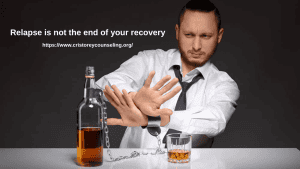
Relapse is a common part of the recovery journey. For many individuals overcoming drug or alcohol addiction, experiencing a relapse can feel like a devastating setback. However, it’s important to understand that relapse doesn’t mean failure—it simply signals the need for renewed focus and support. Getting back on track after a relapse is possible, and with the right strategies, long-term sobriety remains within reach.
Understanding Relapse
Relapse often occurs in stages: emotional, mental, and physical. Emotional relapse starts with feelings of stress, anxiety, or isolation. If these emotions go unchecked, they can lead to mental relapse, where thoughts of using again begin to surface. If no intervention happens, this can eventually lead to a physical relapse, where a person returns to substance use.
Recognizing this process is crucial because it allows individuals to intervene early, before a slip turns into a full-blown relapse.
Proven Strategies to Overcome Relapse
1. Practice Self-Compassion
One of the most damaging reactions to relapse is self-blame. Many people feel intense guilt and shame, which can lead to further substance use as a way to cope with those feelings. Instead of viewing relapse as a personal failure, see it as a learning opportunity. Recovery is not about perfection—it’s about persistence.
2. Identify Triggers and Warning Signs
Understanding what led to the relapse is essential. Common triggers include stress, loneliness, boredom, and exposure to certain people or environments. Keep a journal or talk to a counselor to identify specific situations or emotions that contributed to the relapse. This awareness is the first step toward making positive changes.
3. Rebuild Your Support System
Isolation is a major risk factor for relapse. Reconnect with your support network, whether it’s family, close friends, or recovery groups like Alcoholics Anonymous (AA) or Narcotics Anonymous (NA). These connections provide encouragement, understanding, and accountability—essential elements for long-term recovery.
4. Return to Therapy or Counseling
Professional counseling can help you process the emotional aspects of relapse and develop strategies to prevent it from happening again. Therapists can guide you through cognitive-behavioral techniques that help change thought patterns and build healthier coping skills.
5. Create a Relapse Prevention Plan
A relapse prevention plan is a personalized roadmap for handling high-risk situations. It includes identifying triggers, listing coping strategies, and outlining who to contact for immediate support. Having a plan in place empowers you to take control when cravings or difficult emotions arise.
6. Focus on Healthy Lifestyle Habits
Taking care of your body and mind supports sobriety. Regular exercise, balanced nutrition, mindfulness practices, and sufficient rest all play a role in reducing stress and improving emotional well-being. When you feel good physically and mentally, it’s easier to stay committed to recovery.
Conclusion
Relapse is not the end of your recovery—it’s a bump in the road that can strengthen your commitment to a sober life. By practicing self-compassion, seeking support, and applying proven strategies, you can get back on track and continue building a healthier, more fulfilling life. Remember, every step forward, no matter how small, is a victory in your journey to lasting sobriety.