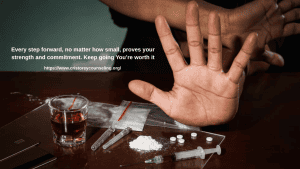
 In the journey to overcome drug or alcohol addiction, relapse can feel like a crushing defeat. For many, it stirs up emotions of shame, guilt, and discouragement. However, relapse is not a sign of failure—it’s a sign that recovery is a process, not a destination. Learning how to respond to relapse with compassion and action is key to long-term sobriety.
Understanding Relapse as a Learning Experience
Relapse is common in addiction recovery. Studies show that between 40% to 60% of individuals in recovery experience at least one relapse. But this doesn’t mean treatment has failed. Instead, relapse highlights areas that still need healing, whether emotional, mental, or behavioral.
Much like managing any chronic illness, such as diabetes or hypertension, setbacks can occur. What matters most is how you respond. Each relapse presents an opportunity to understand your triggers, assess your recovery strategies, and strengthen your resilience.
Step 1: Release the Shame
The first and most important step after a relapse is to let go of self-blame. Shame only reinforces the cycle of addiction by fueling negative emotions. Instead of beating yourself up, acknowledge what happened and remind yourself that relapse does not erase your progress. Recovery is built on persistence, not perfection.
Talking to a trusted counselor, sponsor, or support group can help you process your emotions and gain perspective. You’re not alone, and many have faced the same challenges and come out stronger.
Step 2: Reflect and Learn
Take time to reflect on what led to the relapse. Ask yourself:
-
Were there emotional triggers (stress, loneliness, anger)?
-
Did I stop using coping tools or skip support meetings?
-
Was I honest about how I was feeling with others?
This reflection isn’t about assigning blame, but about gaining insight. Write your thoughts in a journal or discuss them in therapy. Understanding the “why” behind a relapse helps you prevent future slips and build a stronger recovery foundation.
Step 3: Recommit to Recovery
After a relapse, it’s crucial to take action quickly. Return to your treatment plan or make necessary adjustments. This might mean attending more support meetings, reconnecting with a sponsor, enrolling in a structured outpatient program, or restarting therapy.
Recommitment doesn’t mean starting from scratch—it means continuing forward with new awareness. Use what you’ve learned to strengthen your coping strategies and self-care routine.
Step 4: Surround Yourself with Support
Isolation can deepen feelings of shame and make recovery harder. Reaching out to your support network is vital. Whether it’s family, sober friends, or a recovery group, surrounding yourself with encouragement and accountability makes all the difference.
Support systems remind you that you’re not alone, and they offer guidance, empathy, and perspective when you need it most.
Moving Forward with Strength
Relapse is a detour, not the end of the road. It can even be a turning point—a wake-up call that leads to deeper healing and greater self-awareness. By responding with compassion, reflection, and action, you transform relapse into a powerful stepping stone on your path to lasting sobriety.
Every step forward, no matter how small, proves your strength and commitment. Keep going. You’re worth it.